Forest Food Chains Exploring the Intricacies of Ecosystem Dynamics Biology Diagrams The hairy woodpecker is a medium-sized woodpecker found across much of North America. Like other woodpeckers, it plays an important role in the ecosystem by creating cavities in trees for nesting and roosting sites. The hairy woodpecker's diet consists mainly of insects, especially the larvae of wood-boring beetles.
Several North American woodpeckers, including the Acorn Woodpecker, Red-headed Woodpecker, and Red-bellied Woodpecker, exhibit food caching behavior, storing food items for later consumption. Acorns are the most common cached item, but other nuts and insects are also stored. Role of the woodpeckers foraging techniques in forest ecosystems

The woodland ecosystem food chains food webs and the plant animal and ... Biology Diagrams
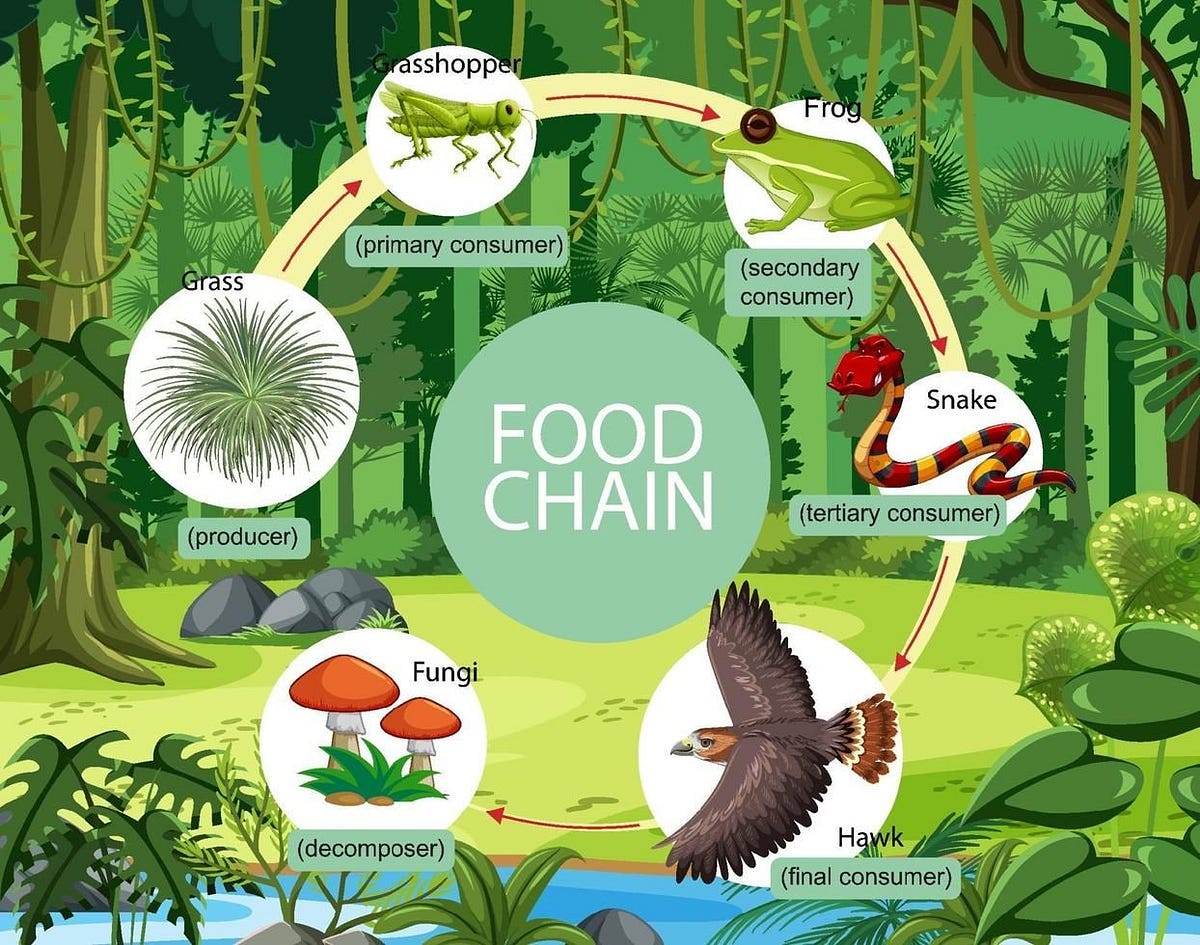
Coniferous Forest Food Chain. Producers in the coniferous woodland include conifers - which produce cones with seeds rather than flowers - shrubs and grasses. One simplified food chain is grass eaten by deer, the deer eaten by a mountain lion and the mountain lion's body decomposed by bacteria and fungi. Another food chain consists of pine Woodpeckers' favorite foods: Insects Grubs, spiders, ants, mealworms, and wood-boring bugs. Fun fact: half of a Pileated Woodpecker's warm-weather diet may be comprised of ants. Tree sap. This sweet treat often sustains the species in the spring when few other foods are available. Nuts. Peanuts and peanut butter are favorite finds for
Woodpeckers are essential to the animal food chain as prey and predators. In their role as prey, they provide food to many organisms, thus promoting survival. As predators, woodpeckers help regulate the local population of the different kinds of insects they feed on. In essence, they promote the existence of a balance in their ecosystem.

What Do Woodpeckers Eat? 10 Most Common Foods Biology Diagrams
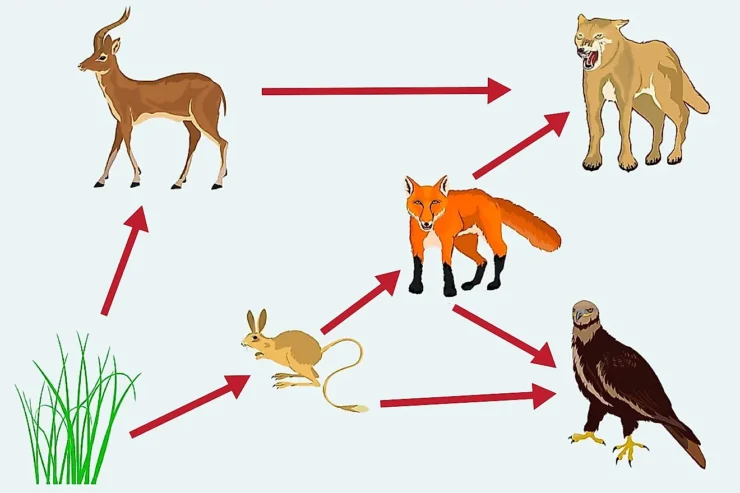
Food Webs A food chain shows how an animal gets energy from one food source. But food chains can overlap. One kind of producer may be food for different kinds of consumers. Some consumers may eat different kinds of food. When two or more food chains overlap, they form a food web. In a food web, at least one plant or animal from each food chain